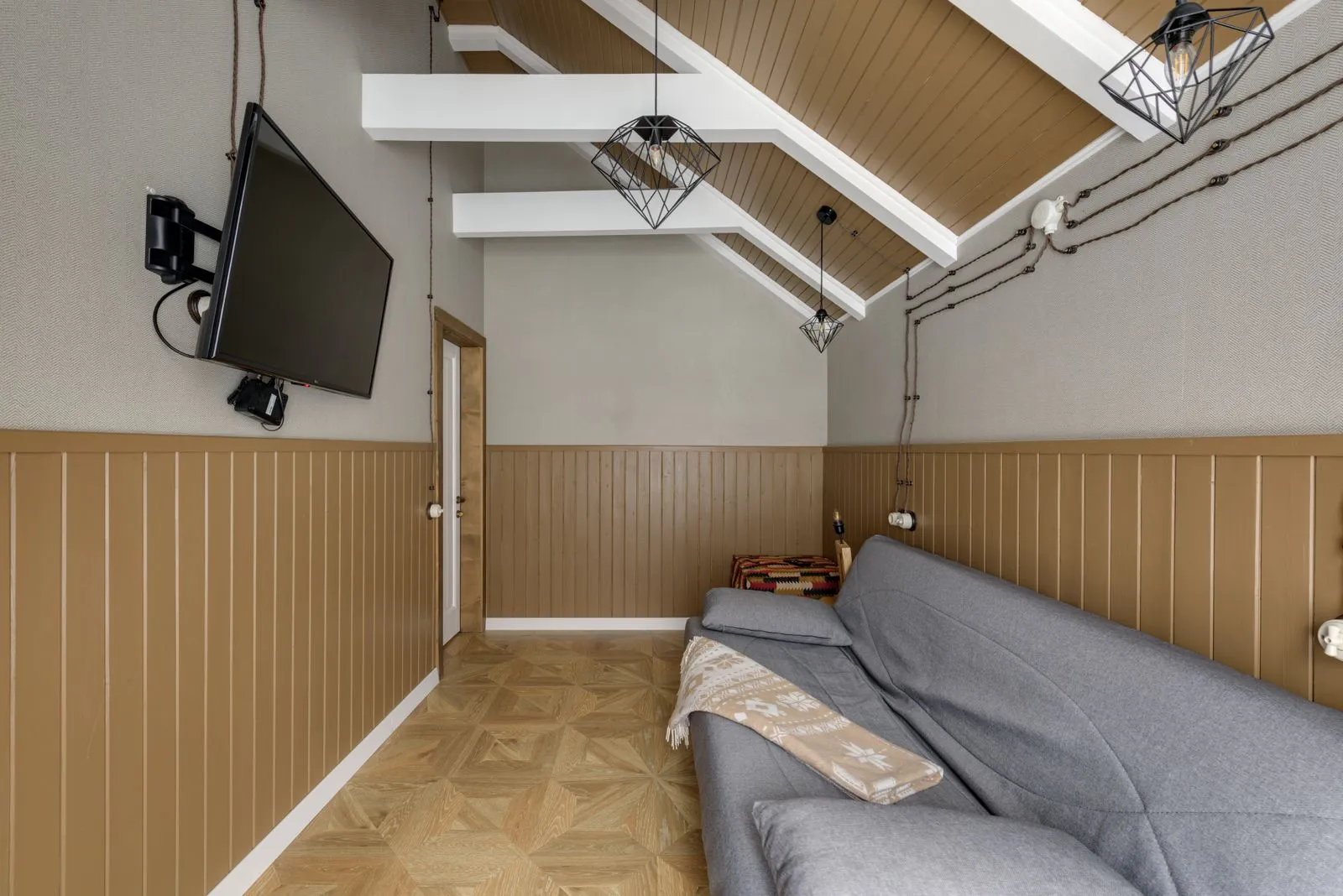
A comfortable home theater starts with the room, not the equipment list. The room’s shape, windows, seating distance, and sound conditions all affect which screen and speakers will work well. Planning these details first can help you avoid cramped seating, distracting reflections, or equipment that does not fit your needs. Use the steps below to assess your space and make informed choices before selecting a system.
Measure the Room and Plan Layout
Measure the room’s length, width, and ceiling height, then note doors, windows, closets, and fixed features. Sketch the room and mark possible screen and seating locations. Consider how people will enter and move through the space without walking in front of the screen. A clear layout also helps identify where cables, power outlets, and equipment may need to go.
Choose the screen wall based on viewing comfort and light control, not just convenience. Check that the screen will not block a doorway or sit directly opposite a bright window. Leave enough space around it for speakers and ventilation. If the room serves other purposes, plan how seating and equipment can fit without making everyday use awkward.
Set Seating and Viewing Distance
Decide how many people will watch at once and whether you need one or more rows. Mark seat positions on your sketch before buying furniture. Keep walkways clear, and check that viewers in every seat can see the screen without leaning around another person. For a second row, account for the first row’s head height and consider a modest platform if the room allows.
Choose a screen size that feels comfortable from the main seats. Sit at the intended viewing position and use a screen-size guide or temporary outline on the wall to judge the view. Avoid choosing a screen solely by its diagonal measurement; your distance from it matters. Make sure the screen does not force viewers to turn their heads or strain to see the edges.
Control Light and Sound
Plan lighting that supports both movie watching and everyday use. Dimmable, indirect lights can reduce glare, while separate controls let you light walkways without shining onto the screen. If the room has windows, consider curtains or shades that block light during viewing. Check for reflections on the screen at different times of day before deciding where to place it.
Listen for noise from heating and cooling equipment, appliances, plumbing, and nearby rooms. Soft furnishings such as rugs, curtains, and upholstered seating can reduce harsh reflections, while bare walls and hard floors may make sound feel sharp or echoey. Position speakers according to the system design and keep them clear of furniture. For persistent noise or unusual room shapes, ask an audio professional to assess the space.
Choose Equipment After Planning
Once the layout is settled, match the equipment to the room and how you watch. Consider screen type and size, speaker arrangement, sources such as streaming devices or game consoles, and how you want to control everything. Confirm that the chosen components fit the available cabinet or rack and have room for ventilation. Check power and connection needs before installation.
Think through setup and future access. Decide whether visible equipment is acceptable or whether you want components stored out of sight, and plan how cables will reach each device. Include convenient access to service points and avoid sealing equipment into an unventilated space. A clear plan makes it easier to compare systems based on fit and function rather than features you may not use.
Start with measurements, sightlines, light, and sound, then choose equipment that fits the room and your habits. A simple floor plan can reveal problems before you buy or install anything. If you want help translating your room plan into a system, Bay Room AV can help you review the options.